《爱不落下》雪漠著
Ted Olczak(独立出版社奖 / 纽约市大图书奖主席)
《Word Reviews》
面对终癌症晚期,一位女子通过给她的精神导师写信,直面自己一生中遭受的家庭虐待与婚姻背叛,从而寻得来之不易的平静、勇气与自我救赎。
雪漠所著的《爱不落下》是一部充满原始情感与深刻洞察力的作品,展现了人类的坚韧不拔。通过罹患晚期舌癌、濒临死亡的女性“丫头”与她的精神导师“雪师”之间的书信往来,雪漠讲述了一个既令人疲惫又充满超脱感的故事。
这种书信体叙事结构具有双重作用:它既相当于一种忏悔录,又构成了一处心灵庇护所。由于舌头上如花椰菜般生长的肿瘤剥夺了她发出真实声音的能力,“丫头”便在笔中找到了自己的真实之声。这一叙事手法营造出一种强烈且近乎令人不适的亲密感。
雪漠详尽地描绘了“丫头”在病程中所承受的肉体上的屈辱——对气道受阻、止血注射以及腐烂组织的描写都充满了毫不留情的现实主义色彩。然而,这种直击心灵的残酷现实与一种宁静、冥想般的基调相互交织。她的文笔在痛苦、肉体背叛与身体衰败等令人窒息的日常生存困境,与从自我、恐惧及死亡中抽离而来的渐次平静之间摇摆不定。
《爱不落下》之所以超越了典型的临终叙事作品,关键在于它对循环性虐待现象进行了深刻的审视。“丫头”的一生呈现出一种悲剧性的对称性:她逃离了一个充满暴力与专制的父亲,却最终陷入了一段隐秘、控制性强且伴有肉体虐待的婚姻之中。她的癌症并非仅仅被视作一场孤立的生物学悲剧,而是身体与情感创伤这一更长连续体中的一个环节。
当“丫头”的丈夫将她抛入凛冽的冬日时,这触发了她内心一次静默的顿悟。她逃往广州、在两地分离中生活——这种生活并未像合法离婚那样带来某种圆满的结局——这映射了她更宏大的人生历程。她意识到,真正的解脱往往并非那种如好莱坞电影般完美的结局;有时,它仅仅意味着在仍带着伤痕的情况下,依然拥有走出火海的勇气。
她与“雪师”的关系避免了对师尊的盲目崇拜;尽管她最初寻求一种治愈方式,以取代生活中那些施加伤害的人,但最终病情的复发促使她有了更深的领悟:真正的精神成长并非一条通往肉体永生的线性路径,而是一种夹杂着令人不适的、摆脱恐惧的过程。
随着“丫头”日益被禁锢在广州的房间里,小说的叙事氛围变得愈发令人窒息。中段情节围绕着反复发生的出血事件、编辑工作以及充满反思的书信展开,这些情节映照出绝症本身所带来的、一种痛苦的、缓慢的煎熬。
对于那些期待看到一场胜利的医学奇迹,或是一位女性与施暴者之间激烈、戏剧性对抗的读者而言,本书中并无此类情节;
小说的结局完全属于内心层面。《爱不落下》是对苦难与自由进行的一次严谨、卓越且发人深省的探讨。雪漠并未提供任何轻松的慰藉,而是揭示出:接纳并不意味着痛苦的消失,而是对现实抗拒的终结。在其照护者“夏雨”坚定不移的陪伴下,“丫头”的最后时光揭示了一个深刻的真相:尽管肉体或许会腐烂,但人类所拥有的自主性、清晰认知与内心平静的力量却可永恒地保持完好无损。(文尧译)
Eternal Love
Xuemo
Review
by Ted Olczak
President & Publisher
Independent Press Award / NYC Big Book
Award
Facing
terminal cancer, a woman confronts a lifetime of family abuse and marital
betrayal through letters to her spiritual guide, finding hard-won peace,
courage, and self-redemption.
Eternal
Love by Xuemo is a raw, insightful testament to human endurance. Through letter
correspondence between Yatou, a woman dying of late-stage tongue cancer, and
her spiritual mentor, Guru Xue, Xuemo delivers a narrative that is equal parts
grueling and transcendent.
The
epistolary structure serves a dual purpose: it acts as both a confession and a
sanctuary. Denied a physical voice by the cauliflower-like growths consuming
her tongue, Yatou finds her true voice in ink. This stylistic choice creates an
intense, almost uncomfortable intimacy.
Xuemo
details the physical indignities of Yatou’s decline. Descriptions of choked
airways, hemostatic injections, and rotting flesh are delivered with unsparing
realism. Yet, this visceral brutality is counterbalanced by a serene,
meditative underlying tone. The prose oscillates between the harrowing,
day-to-day logistics of pain, physical betrayal, and bodily decay to the
gradual quietude that comes from detaching from ego, fear, and mortality.
What
lifts Eternal Love above typical end-of-life stories is its critical
examination of cyclic abuse. Yatou’s life is defined by a tragic symmetry:
fleeing a violent, authoritarian father only to enter a secret, controlling,
and physically abusive marriage. Her cancer is not presented merely as an
isolated biological tragedy, but as part of a longer continuum of physical and
emotional trauma.
When
Yatou’s husband throws her into the winter cold, it triggers a quiet epiphany.
Her escape to Guangzhou, living separated without the neat closure of a legal
divorce, reflects her broader journey. She learns that liberation rarely looks
like a pristine, Hollywood-style resolution; sometimes it is simply the courage
to step out of a fire while still carrying the burns.
Her
relationship with Guru Xue avoids guru-worship. While she initially seeks a
cure to replace the abusive men in her life, her eventual relapse forces a
deeper realization. True spiritual growth isn't a linear path to bodily
immortality; it is the messy, uncomfortable unlearning of fear.
Because
Yatou is increasingly confined to her room in Guangzhou, the narrative becomes
intensely claustrophobic. The middle acts that revolve around repeated bleeding
episodes, editing work, and reflective letters, mirror the agonizing crawl of
terminal illness itself.
Readers
looking for a triumphant medical miracle or an aggressive, dramatic
confrontation with her abusers will not find one here. The novel’s resolution
is entirely interior.
Eternal
Love is a rigorous, brilliant, and sobering study of suffering and freedom.
Xuemo offers no easy comfort, showing that acceptance does not mean the absence
of pain, but the end of resistance to reality. Supported by the steadfast
presence of her caregiver, Xia Yu, Yatou’s final days showcase a profound
truth: while the body may rot, the human capacity for agency, clarity, and
peace can remain entirely untouched.
-Printed
Word Reviews
an>




 手机版
 雪漠推荐
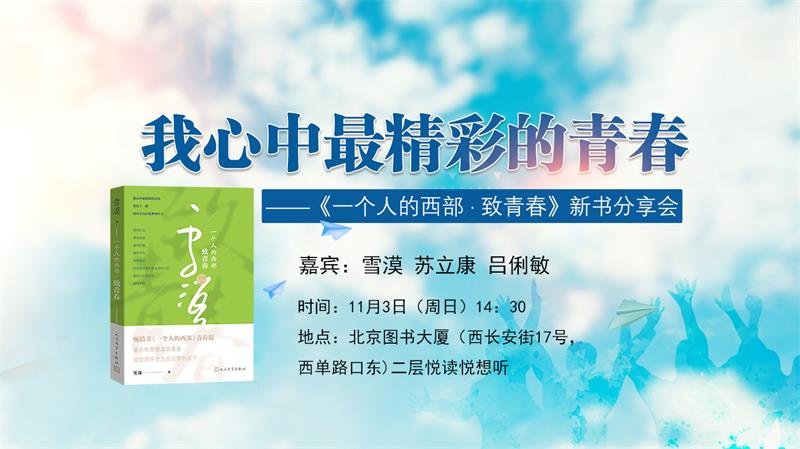 我心中最精彩的青春——《一个人的西部·致